Menstrual Heat Patches are becoming a practical option for people seeking portable relief from menstrual discomfort. These thin, self-heating products can fit beneath clothing and support daily routines at work, during travel, or at home. A warm patch on the lower abdomen may feel simple, but comfort, skin safety, temperature control, and adhesive quality require careful manufacturing.
The need is significant. The American College of Obstetricians and Gynecologists reports that dysmenorrhea affects many adolescents and remains one of the most common gynecological complaints. Research published in the Cochrane Database of Systematic Reviews also indicates that heat may help ease menstrual pain, although evidence quality and product performance can vary. Small detail. Temperature matters.
Market interest is expanding alongside broader menstrual-care demand. Grand View Research and Fortune Business Insights have reported continued growth in feminine hygiene and period-care markets, supported by convenience, e-commerce, and wellness-focused purchasing. However, market estimates differ because some reports include reusable devices, disposable warmers, or wider pain-relief categories. Buyers should notice that gap.
This guide reviews the Top 10 Menstrual Heat Patches Manufacturers for Global Buyers. It considers manufacturing experience, product materials, heating duration, quality systems, private-label capability, packaging, and export readiness. References to ISO-based quality practices, product testing, and transparent documentation can help reduce sourcing risk. No ranking is perfect. Supplier suitability depends on destination requirements, customer preferences, order volume, and intended use. The strongest manufacturer is not always the largest; it is the one that can deliver consistent warmth, clear instructions, responsible claims, and dependable communication.

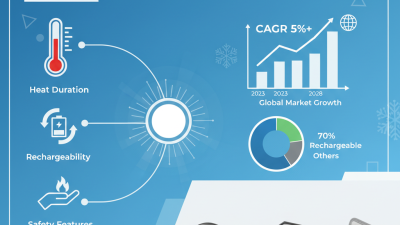
The global menstrual heat patch market is moving from niche wellness shelves into pharmacies, e-commerce stores, and workplace-care programs. Buyers want discreet, portable warmth for cramps during commutes, travel, and long shifts. Demand is strongest where self-care products are easy to purchase and private to use. Yet market data remains uneven. Some reports combine menstrual patches with broader heat therapy products, which can distort forecasts.
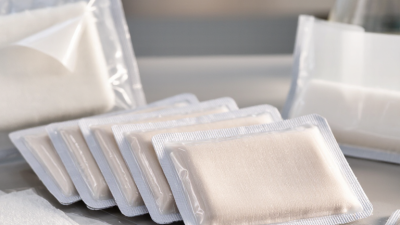
For global buyers, product assessment should begin with real-use performance, not attractive packaging. Check how quickly the patch warms, how long it stays comfortable, and whether heat spreads evenly across the lower abdomen. Adhesive quality matters on cotton, synthetic fabric, and moving skin. Low odor and thin construction improve daily use. Clear instructions should state placement, wear time, storage conditions, and when to remove the product. Small details matter.
Manufacturers also need reliable batch testing, traceable materials, and documented quality controls. Buyers should request samples from different production lots, review safety documentation, and confirm labeling rules in each destination market. Requirements may differ for claims, ingredients, warnings, language, and packaging waste. A lower unit price can hide higher costs from damaged cartons, inconsistent activation, or slow replenishment. Minimum order quantities and seasonal demand deserve careful negotiation. Some suppliers promise long heating times, but independent testing may show a shorter result. That gap deserves attention.
Typical menstrual-cycle and bleeding-duration ranges provide health context for heat-patch use. These figures describe menstrual patterns, not product sales or market size.
Top 10 Menstrual Heat Patches Manufacturers for Global Buyers
Key Criteria for Evaluating Menstrual Heat Patch Manufacturers
A capable manufacturer should show more than attractive product photos. Experience matters: request production records, batch traceability, export history, and evidence of stable monthly capacity. The WHO and UNICEF Joint Monitoring Programme reported in 2023 that around 500 million people lacked adequate menstrual health management. This gap increases the need for affordable, dependable products, not merely clever packaging.
Safety documentation deserves close inspection. Ask for skin irritation testing, temperature-control data, shelf-life studies, and material declarations. ISO 10993 testing can support biocompatibility claims, while ISO 9001 certification indicates a controlled quality system, though it does not prove product safety alone. That distinction is easy to miss. A factory should also explain adhesive performance after sweating, storage in humid warehouses, and safe disposal instructions. Claims should match test evidence and local regulatory requirements.
Commercial reliability is equally important. Compare defect rates, inspection methods, complaint response times, and change-control procedures. The OECD Due Diligence Guidance supports checking labor, environmental, and supply-chain risks rather than relying on a supplier questionnaire. I would score each manufacturer across safety, consistency, documentation, and communication. Price should be included, but not overvalued. A cheaper patch can create higher costs through returns and damaged buyer trust. No scorecard is perfect. Recheck critical evidence before signing a long-term agreement.
The leading menstrual heat patch manufacturers serve different purchasing needs. One focuses on thin adhesive patches for discreet daytime use. Another specializes in herbal warming formats with mild, measured heat. A third operates high-volume automated lines for retail orders. One manufacturer stands out for fragrance-free materials and sensitive-skin testing. Another develops compact packs for travel and vending channels. A sixth supplier offers private-label packaging with clear usage instructions. One factory invests in low-residue adhesives and flexible backing films. Another has strong quality controls for heat duration and seal integrity. A ninth producer supports smaller trial orders for new distributors. The tenth combines product development, packaging, and export documentation under one team.
Reliable production requires more than attractive samples. Buyers should review batch records, raw-material specifications, and independent safety test reports. Heat output should remain stable, not become uncomfortably hot after opening. Adhesives need practical testing on movement, sweat, and removal. These details matter.
Factory audits can reveal useful evidence. Inspectors may check clean rooms, storage humidity, calibration logs, and worker training. Still, no supplier is perfect. Public information can be incomplete, and sample performance may differ from mass production. A careful buyer should request recent samples, compare several batches, and confirm packaging claims before ordering. The strongest manufacturers usually explain limitations instead of promising instant comfort. That honesty is valuable. Product performance also depends on correct placement, wear time, and individual skin sensitivity. Suppliers should state these conditions plainly.
Top 10 Menstrual Heat Patches Manufacturers for Global Buyers
The leading ten manufacturers differ in product design, pricing, and monthly output. Most offer adhesive heat patches, reusable warmers, or botanical comfort patches. Typical private-label pricing ranges from $0.18 to $0.75 per patch, depending on materials, packaging, and order volume. Small trial orders often start near 5,000 units, while larger factories may accept contracts above 100,000 units.
Capacity matters, but it should not replace product evaluation. Mid-sized facilities commonly produce 300,000 to 800,000 patches monthly. Larger operations can exceed 2 million units, supported by automatic sealing and temperature-control checks. Buyers should request samples from the same production line used for bulk orders. A neat sample can hide inconsistent adhesive strength.
Packaging options include single sachets, retail cartons, and recyclable pouches. Some manufacturers provide custom printing with modest setup fees. Others charge more for low minimum order quantities. A realistic landed cost must include packaging, inspection, freight, and import charges. The cheapest quotation is rarely the cheapest shipment.
Pricing tables also need careful interpretation. A $0.20 patch may exclude individual wrapping or quality testing. Ask for test reports, shelf-life data, heating duration, and storage requirements. Production claims should be checked against factory records or third-party audits. Capacity figures can be optimistic. A slower supplier with stable quality may serve global buyers better than a factory promising unrealistic speed.
| Profile | Typical Product Format | Heating Performance Target | Customization Options | Indicative MOQ | Indicative FOB Price per Patch* | Estimated Monthly Capacity* | Typical Lead Time | Buyer Considerations |
|---|---|---|---|---|---|---|---|---|
| Supplier Profile 1 | Air-activated disposable abdominal patch | Approximately 40–50°C surface-temperature target; 6–8 hours | Private-label packaging, patch dimensions, basic artwork | 10,000–20,000 units | US$0.18–0.32 | 500,000–1,000,000 units | 25–40 days | Suitable for standard retail programs; confirm temperature and duration through product testing. |
| Supplier Profile 2 | Adhesive-backed lower-abdomen heat patch | Approximately 40–48°C target; 8–10 hours | Custom pouch, printed instructions, carton design | 10,000 units | US$0.20–0.36 | 600,000–1,200,000 units | 25–45 days | Check adhesive compatibility, skin-contact documentation, and packaging shelf-life claims. |
| Supplier Profile 3 | Thin, discreet disposable warming patch | Approximately 39–47°C target; 6–8 hours | Thin-film format, size selection, private-label packaging | 15,000–30,000 units | US$0.24–0.42 | 300,000–800,000 units | 30–45 days | Request wear tests for flexibility, adhesion, and comfort under clothing. |
| Supplier Profile 4 | Fabric-surface heat patch for use over clothing | Approximately 40–50°C target; 8–10 hours | Fabric cover options, shape, branded retail box | 10,000–20,000 units | US$0.26–0.45 | 400,000–900,000 units | 30–45 days | Confirm whether the product is designed for direct skin contact or over-clothing use. |
| Supplier Profile 5 | Compact single-use heat patch | Approximately 38–46°C target; 6–8 hours | Compact sizing, multi-pack configuration, custom carton | 20,000–40,000 units | US$0.16–0.29 | 800,000–1,500,000 units | 25–40 days | Lower unit cost may depend on order volume and standard packaging selection. |
| Supplier Profile 6 | Extended-duration disposable warming patch | Approximately 39–48°C target; 10–12 hours | Duration options, custom size, export-ready packaging | 15,000–30,000 units | US$0.28–0.50 | 300,000–700,000 units | 35–50 days | Verify real-world duration under stated use conditions and review warning-label requirements. |
| Supplier Profile 7 | Contoured abdominal warming patch | Approximately 40–49°C target; 6–10 hours | Die-cut shape, adhesive selection, custom artwork | 10,000–25,000 units | US$0.23–0.41 | 350,000–850,000 units | 30–45 days | Ask for samples to assess fit, edge lift, and comfort during movement. |
| Supplier Profile 8 | Multi-patch retail kit | Approximately 39–48°C target; 6–10 hours per patch | Multi-count packs, inserts, retail-ready cartons | 5,000–10,000 kits | US$0.65–1.35 per kit | 150,000–400,000 kits | 35–55 days | Kit pricing varies with patch count, carton specification, and packed configuration. |
| Supplier Profile 9 | Premium individually wrapped heat patch | Approximately 40–48°C target; 8–10 hours | Enhanced pouch materials, printed instructions, custom presentation box | 8,000–20,000 units | US$0.32–0.62 | 200,000–600,000 units | 35–55 days | Assess pouch barrier performance and request documentation supporting shelf-life claims. |
| Supplier Profile 10 | OEM-focused disposable menstrual heat patch | Approximately 39–50°C target; 6–12 hours, depending on specification | Product sizing, private label, packaging, and export documentation support | 20,000–50,000 units | US$0.19–0.40 | 1,000,000–2,000,000 units | 30–50 days | Confirm factory capacity allocation, quality controls, and destination-market compliance before ordering. |
*The anonymous profiles and figures above are illustrative planning benchmarks, not verified quotations or manufacturer disclosures. Indicative FOB prices and capacities can vary by order volume, materials, specifications, packaging, production schedule, and destination-market requirements. Request current quotations, samples, test reports, and compliance documents before placing an order.
Global buyers assessing the top ten menstrual heat patch manufacturers should treat compliance as a sourcing filter, not a final check. WHO and UNICEF’s 2023 JMP report estimates that 1.8 billion people menstruate worldwide, while about 500 million lack adequate menstrual health services. This scale creates opportunity, but also exposes weak claims and inconsistent quality. Request recent test reports for surface temperature, heating duration, adhesive residue, skin irritation, and batch stability. A warm patch should feel controlled, not unexpectedly hot.
Regulatory classification depends on the market and product claims. A patch marketed for comfort may follow consumer-product rules, while pain-relief claims can trigger medical or drug requirements. Buyers should verify labeling, ingredient disclosure, warnings, shelf life, and traceability before sampling. For skin-contact materials, ask whether irritation or biocompatibility testing follows recognized methods, such as ISO 10993 where applicable. In the European Union, the General Product Safety Regulation has applied since December 2024, increasing expectations for risk assessment and technical documentation.
Factory audits should inspect adhesive storage, automated sealing, temperature calibration, and complaint records. Compare samples from three production lots, not one attractive prototype. That small step often reveals variation. Require evidence behind “natural,” “non-toxic,” or “all-day” claims; vague language weakens buyer confidence. I would also question unusually low quotations. They may reflect thinner heating layers, shorter testing, or incomplete export documentation. Supplier experience matters, but documented performance matters more.