China Best Heat Patch For Cramps Manufacturers?
Choosing a reliable Heat Patch For Cramps manufacturer in China takes more than comparing prices. Buyers should examine product consistency, material quality, packaging options, and communication. A patch may look simple, yet its adhesive, heating duration, and skin-contact layer all affect the user experience. Small details matter.
For importers and private-label brands, clear specifications help reduce surprises. Ask manufacturers how they check temperature performance and batch consistency. Request product samples, review labeling, and confirm that usage instructions explain safe placement and wear time. These checks do not replace independent testing, but they provide a practical starting point. Comfort varies between users.
This guide explores what to look for when comparing Chinese manufacturers, including production capabilities, customization, quality documentation, and export support. It also considers questions buyers can ask before placing an order. A polished catalog is useful, but it cannot answer everything. I would not treat a low quote as proof of poor quality—or a confident sales pitch as proof of reliability. That deserves a closer look.
Heat patches are intended for external use, and buyers should avoid making unsupported claims about treating medical conditions. Clear, cautious product information builds more trust than bold promises. The best supplier is not necessarily the largest or cheapest. It is the one that can explain its process, provide relevant evidence, and respond clearly when details need checking. That is the real test.
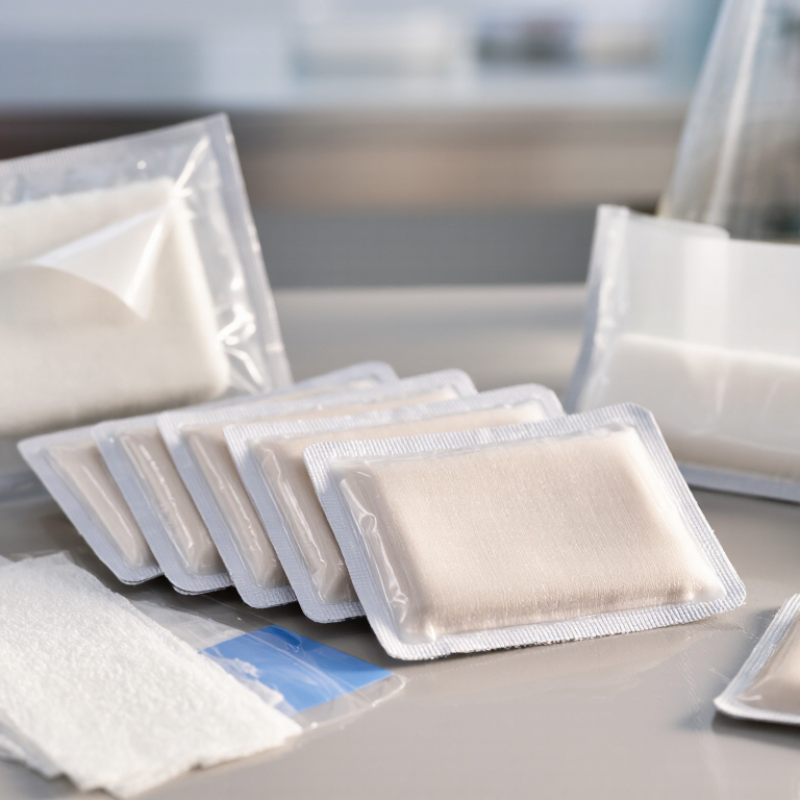
Understanding Heat Patches for Cramps and How They Work
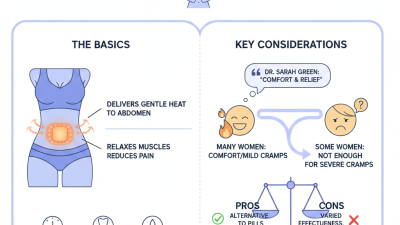
A heat patch for menstrual cramps uses gentle, sustained warmth to relax tense abdominal muscles. Heat may also improve local blood flow and reduce the body’s perception of pain. The effect is supportive, not a cure. I initially thought hotter meant better relief, but that assumption was too simple.
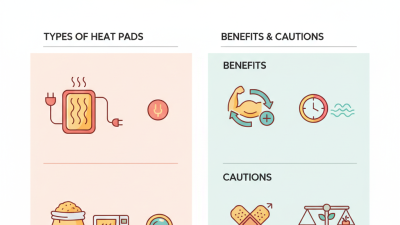
A well-designed patch should warm gradually and maintain an even temperature. Its adhesive layer needs to stay secure without pulling sensitive skin. Before use, check the package instructions and test a small skin area. Place the patch over clothing when directed, rather than directly on bare skin. Never apply it to broken, irritated, or numb skin. Avoid sleeping with it unless the instructions clearly allow overnight use.
Practical details matter. A commuter may need flexible material under a sweater, while an office worker may prefer a thin, odorless design. Reliable manufacturers should control temperature, adhesive quality, material safety, and production consistency. Clear instructions should state heating time, intended placement, and warnings. Independent quality checks can strengthen user confidence, but no patch suits everyone.
Stop using the patch if redness, burning, swelling, or unusual pain appears. People with reduced heat sensitivity, circulation problems, or certain medical conditions should seek professional advice first. Pregnant users should ask a healthcare professional before applying heat to the abdomen. Relief can feel immediate, yet persistent or severe cramps deserve medical evaluation.
Key Features of Heat Patches for Menstrual and Muscle Cramps
China Best Heat Patch For Cramps Manufacturers?
Key Features of Heat Patches for Menstrual and Muscle Cramps
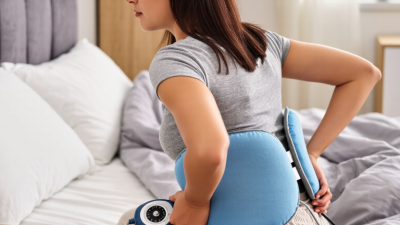
A useful heat patch delivers steady, comfortable warmth where cramps occur. For menstrual discomfort, a thin, flexible design can sit discreetly beneath clothing and move with the body. For sore muscles, a larger patch may cover more of the affected area. Adhesive should hold during normal activity but release without pulling sensitive skin. Check the stated wear time and temperature range; hotter does not mean better.
The American College of Obstetricians and Gynecologists reports that more than half of people who menstruate experience period pain, often for one or two days each month. That makes reliable comfort features important, but a patch is not a diagnosis or a cure. Look for clear instructions, ingredient and material disclosures, and safety guidance against sleeping with a patch unless its labeling permits it. Evidence for heat can be encouraging, yet individual results vary.
Tips: Test a patch on a small area first. Stop using it if you notice burning, persistent redness, or irritation. Don’t apply it to broken skin, and avoid combining it with another heat source. A small detail that’s easy to overlook: clothing pressure can intensify warmth.
How to Evaluate Heat Patch Manufacturers in China
China Best Heat Patch For Cramps Manufacturers?
How to Evaluate Heat Patch Manufacturers in China
Choosing a heat patch manufacturer takes more than comparing unit prices. Ask how the factory controls temperature, adhesive consistency, and heat duration across production batches. Request product specifications and recent quality records, then compare them with samples tested under the same conditions. A patch should warm steadily, stay comfortable on the skin, and include clear instructions. Avoid relying on a single sample; production quality can vary. That detail is easy to overlook.
Check whether the manufacturer can explain its materials, packaging checks, and process for handling complaints. Ask for relevant certifications and verify their scope and validity rather than accepting a logo on a brochure. For products intended to ease cramps, review the wording carefully: avoid claims that promise treatment or guaranteed results. Clear labeling should explain safe use, recommended wear time, and when to remove the patch. If answers are vague, request written evidence. Good communication matters.
Tips:
Order samples from different batches. Ask how temperature is measured and recorded. Confirm packaging protects each patch from moisture. Keep your own test notes. No audit catches everything, so follow-up checks still matter.
Manufacturing Standards, Materials, and Quality Control
China Best Heat Patch For Cramps Manufacturers?
Manufacturing Standards, Materials, and Quality Control
A reliable heat patch manufacturer should treat standards as daily controls, not polished paperwork. Facilities commonly use documented quality systems, controlled production areas, and batch traceability. Medical-device quality principles, such as ISO 13485, can support consistent processes when properly implemented. However, certification alone does not prove every patch performs well.
Most air-activated patches contain iron powder, salt, activated carbon, water, and mineral fillers. The blend must produce steady warmth without excessive temperature spikes. Soft nonwoven fabric should allow comfortable contact and controlled airflow. Adhesive selection also matters, especially for sensitive skin. Quality teams should inspect raw materials, test pouch seals, measure heat curves, and check patch weight. They should also review skin-contact safety and storage stability. A patch that warms quickly but cools within minutes is not a dependable product.
Tips: Ask for recent test records, not generic claims. Request temperature data from several batches. Check whether workers inspect sealing strength and package leaks. Confirm clear instructions and expiration details. Small details matter. Factory audits can reveal gaps that documents hide. No manufacturer is perfect, and that is worth acknowledging. What matters is whether problems are recorded, investigated, and corrected. A transparent supplier should explain failed tests without avoiding uncomfortable questions. Sensible buyers should compare performance, materials, and controls before choosing a production partner.
Questions to Ask When Choosing a Chinese Heat Patch Supplier
China Best Heat Patch For Cramps Manufacturers?
Questions to Ask When Choosing a Chinese Heat Patch Supplier
Ask how the patch maintains its temperature and how long it stays warm under normal use. Request test reports that describe the test method, sample size, and storage conditions. A single temperature number tells little without context. Ask for the product’s ingredient list, material specifications, and clear usage instructions. Details matter.
Check how the supplier monitors production consistency. Can they explain their inspection steps, batch records, and process for handling defective units? Ask for samples from a regular production run, not only a specially prepared sample. Compare adhesion, flexibility, packaging seals, and warmth across several pieces. Small differences may matter during everyday use.
Discuss customization, minimum order quantities, lead times, and packaging early. Confirm who checks translations and whether the final label matches the product’s tested instructions. Ask how complaints are recorded and investigated. Reliable answers should be specific and supported by documents, rather than broad promises. I would still inspect a fresh batch before placing a large order; paperwork cannot reveal every practical issue. A factory visit or independent quality inspection may help, especially when specifications change. Not glamorous, but useful.