DOWNLOAD CATALOG
Leave Your Message

China Top Heating Patch Manufacturers for Global Buyers

China has become a major sourcing base for heating products, including disposable and reusable Heating Patch solutions. Global buyers often compare manufacturers by product safety, production capacity, customization, and delivery reliability. However, supplier selection requires more than attractive pricing or polished factory photos.

This guide introduces leading Chinese Heating Patch manufacturers for international buyers. It examines their product ranges, material options, heating duration, packaging services, and quality-control procedures. Practical details matter. A buyer may need iron powder formulations, breathable nonwoven fabric, skin-friendly adhesives, or individually sealed pouches. Each choice affects comfort, shelf life, and shipping conditions.

Reliable manufacturers should provide clear specifications, test reports, batch records, and transparent communication. They should also understand applicable market requirements, labeling rules, and responsible product claims. Certifications can support evaluation, but they do not replace independent verification. Samples should be tested in realistic conditions before large orders are approved.

No supplier is perfect. That matters.

Some factories may offer strong pricing but limited design support. Others may provide excellent customization but require higher minimum order quantities. Buyers should review production experience, export history, response speed, and after-sales practices together. A careful comparison reduces avoidable risks and supports long-term cooperation. The following overview is designed to help distributors, retailers, and private-label brands identify suitable Chinese partners with greater confidence.
China Top Heating Patch Manufacturers for Global Buyers

What Heating Patches Are and How They Work

What Heating Patches Are and How They Work

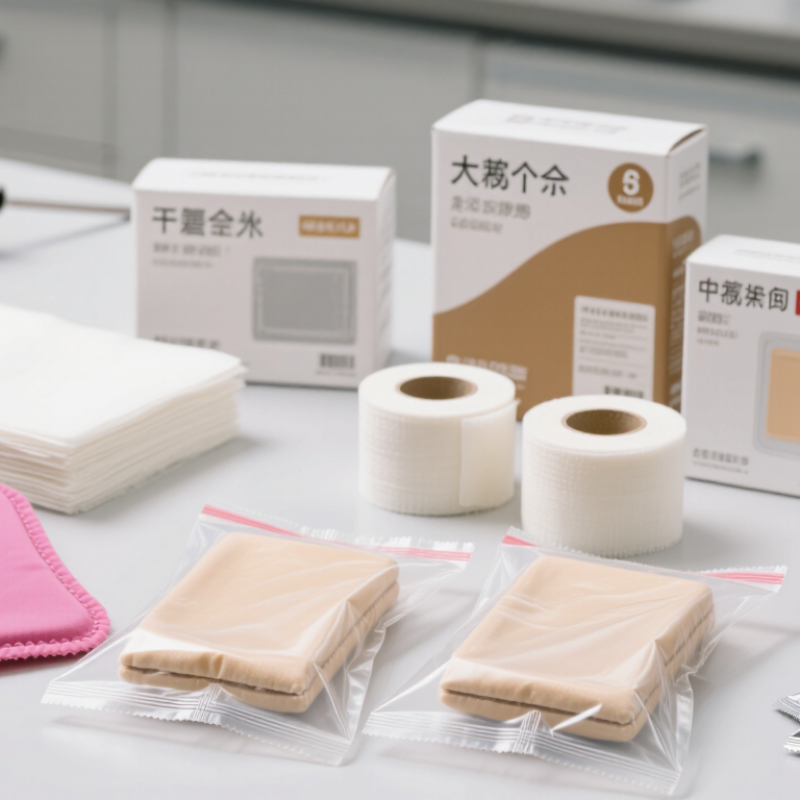
Heating patches are thin warming products designed to provide steady, localized heat. Some are air-activated and contain iron powder, salt, carbon, and moisture. When opened, oxygen starts a controlled oxidation process. This reaction releases heat gradually, often for several hours.

Other patches use reusable gel or electrical elements. Their heating method differs, so temperature, warming time, and safety instructions also differ. In practical use, people may place a patch over clothing near the lower back, shoulders, or abdomen. Some products are made for direct skin contact, but users should follow the package instructions carefully. Too much heat can irritate skin or cause burns.

Reliable manufacturers test temperature stability, heating duration, adhesive strength, and material safety. Global buyers should request laboratory reports, batch records, and clear instructions before purchasing. Factory quality control matters because a small temperature difference can change user comfort significantly. Packaging should also explain storage, expiration, and disposal requirements.

Heat may relax tight muscles and offer temporary comfort. It does not treat every source of pain. This point is easy to miss. People with sensitive skin, reduced heat sensation, or certain health conditions should seek professional advice first. I would not assume that a longer-lasting patch is automatically better. Comfort depends on heat level, placement, skin tolerance, and the user’s actual needs.
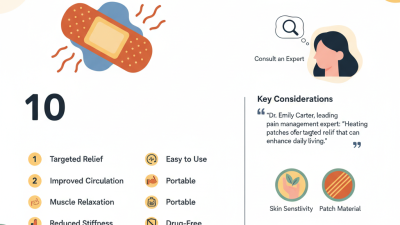
Why Choose China-Based Heating Patch Manufacturers

China-based heating patch manufacturers offer practical advantages for global buyers. Many have years of experience producing warming patches for personal care, outdoor use, and workplace comfort. Their production teams often understand adhesive selection, heat-release materials, pouch sealing, and skin-contact requirements.

Factory visits and sample testing can reveal important details. A reliable manufacturer should provide batch records, stability data, material specifications, and documented quality procedures. Controlled mixing helps maintain steady heat performance. Automated sealing reduces moisture exposure. Independent laboratory testing can support safety and export documentation for different markets.

Customization is another strong reason to work with Chinese suppliers. Buyers can request different sizes, activation times, packaging formats, and private-label designs. Large manufacturing clusters also support faster sourcing of nonwoven fabrics, adhesives, and printed packaging. This may reduce lead times and production costs when forecasts are accurate.

However, distance can create communication gaps. No factory is perfect. A low quotation may hide weak testing or inconsistent raw materials. Buyers should review samples from multiple batches, confirm product claims, and use clear inspection standards before mass production. Regular video audits and written corrective-action reports can improve accountability. Some suppliers respond quickly, while others need firm technical questions. That difference matters.

China Top Heating Patch Manufacturers for Global Buyers

Why choose China-based heating patch manufacturers? Compare common heating patch formats by typical advertised warmth duration.

Air-activated iron-powder patches generally provide the longest continuous warmth, while gel and crystallization formats are typically designed for shorter use or repeated applications. For global buyers, China-based manufacturers can support format customization, private-label packaging, multiple activation methods, and scalable production. The durations shown are representative industry ranges and may vary according to formulation, patch size, packaging, ambient temperature, and testing conditions.

Key Types of Heating Patches for Global Buyers

China Top Heating Patch Manufacturers for Global Buyers

Heating patches differ by heat source, wear time, and control method. Disposable air-activated patches use iron powder, salt, carbon, and air to create steady warmth. They suit travel, outdoor work, and short-term muscle comfort. Most reach approximately 40–45°C, so temperature testing remains essential. Reusable gel or phase-change patches offer lower waste and repeated use. Electric wearable patches provide adjustable heat, but require batteries, charging controls, and stronger safety documentation. They are not interchangeable products.

Demand is linked to real comfort needs. The World Health Organization reports that 619 million people experienced low back pain in 2020. This figure may rise to 843 million by 2050. Grand View Research also identifies pain-management devices as a growing global category, driven by home care and aging populations. These figures do not prove that every heating patch works clinically. That distinction matters.

For global buyers, practical evaluation should include heat curves, adhesive performance, skin-contact testing, shelf-life data, and packaging stability. Ask for batch records, independent test reports, and clear user warnings. Patch size also affects performance; a small lumbar patch cannot cover a broad shoulder area effectively. I have seen product sheets promise “long-lasting heat” without defining the actual duration. That is weak evidence. Buyers should compare laboratory results with real wear tests across different climates. Dry winter air, humid shipping routes, and sensitive skin can change the user experience.

China Top Heating Patch Manufacturers for Global Buyers - Key Types of Heating Patches for Global Buyers

Heating Patch Type Heat Generation Method Typical Heating Duration Typical Temperature Range Common Application Areas Activation Key Buyer Considerations
Air-Activated Iron Powder Patch Oxidation of iron powder when exposed to oxygen Up to approximately 8–12 hours, depending on formulation and size Usually about 40– h? 55°C at the heat source; product specifications vary Back, abdomen, shoulders, waist, hands and feet Open the package and expose the patch to air Oxygen permeability, heating curve, adhesive quality, shelf life, packaging and regulatory labeling
Adhesive Body-Warming Patch Air-activated exothermic composition combined with a skin-safe adhesive layer Commonly 6–12 hours Generally designed to provide gentle, sustained warmth rather than high heat Lower back, abdomen, knees, neck and shoulders Remove the protective liner and apply to clothing or as directed on the package Skin-contact testing, adhesive residue, patch flexibility, size options and user instructions
Foot Warmer Patch Air-activated oxidation reaction Approximately 5–10 hours, depending on airflow and footwear Typically designed for moderate warmth suitable for use inside footwear Soles, insoles and tops of feet Open package before use; some designs attach to socks or footwear rather than skin Thin profile, air circulation, odor control, adhesive strength and compatibility with shoes
Hand Warmer Patch Air-activated iron-based heating mixture Approximately 6–12 hours Usually provides moderate warmth for enclosed or semi-enclosed use Pockets, gloves, hand muffs and outdoor clothing Open the individual sachet and allow activation in air Compact dimensions, activation time, maximum temperature, pack count and transport requirements
Neck and Shoulder Patch Air-activated exothermic heating material shaped for contoured body areas Commonly 6–10 hours Moderate sustained warmth; actual temperature depends on airflow and contact conditions Neck, trapezius muscles, upper back and shoulders Open and attach to clothing or use according to the product instructions Ergonomic shape, flexible nonwoven material, attachment method and comfort during movement
Reusable Sodium Acetate Heat Pad Crystallization of a supersaturated sodium acetate solution after activating a metal disc Usually about 30–90 minutes per activation Often reaches approximately 50–55°C, depending on design and size Hands, pockets, abdomen, back and localized warming Bend or click the internal activation disc Leak resistance, reset procedure, cycle life, pouch durability and storage requirements
Microwaveable Gel Heat Pad Heat stored in a microwaveable gel or water-based filling Usually about 20–60 minutes, depending on size and insulation Heating temperature depends on microwave time, wattage and product instructions Back, abdomen, joints and general household use Heat in a microwave according to the specified time and power setting Microwave compatibility, leak prevention, cover material, reheating instructions and washability
Electric Rechargeable Heating Patch Resistive heating elements powered by a rechargeable battery Often about 2–8 hours per charge, depending on battery capacity and heat setting Adjustable settings; commonly controlled within a moderate warming range Waist, back, abdomen, shoulders and outdoor clothing Press the power button after charging the battery Battery safety, charging standard, temperature control, washability, cable routing and certifications

Note: Heating duration and temperature are typical industry ranges and may vary according to product size, formulation, airflow, ambient temperature, placement, packaging and usage conditions. Always follow the manufacturer’s instructions and applicable market safety requirements.

How to Evaluate Chinese Heating Patch Suppliers

China Top Heating Patch Manufacturers for Global Buyers

How to Evaluate Chinese Heating Patch Suppliers

Global demand is supported by a large pain-care population. The World Health Organization estimates that 1.71 billion people live with musculoskeletal conditions worldwide. This figure comes from its 2022 musculoskeletal health report. It shows opportunity, but demand alone does not prove supplier quality.

I would not trust a polished catalog alone. Request recent thermal-performance reports, adhesive safety tests, skin-irritation results, and stability data. Each report should identify the test method, sample batch, testing date, and laboratory. Ask suppliers to show factory records, not only certificates. ISO 13485-based quality systems can indicate controlled production, but certificates require verification. Check the issuing body and scope.

Test samples under real conditions. Measure warming time, peak temperature, duration, odor, residue, and package sealing. A patch that feels warm in a showroom may fail after twelve hours in a warehouse. Confirm raw-material traceability and lot coding. Review complaint handling and replacement procedures, too. My checklist is not perfect. Human skin varies, and supplier documents can miss practical weaknesses. Small pilot orders reveal more than confident promises. Keep samples from every approved batch for later comparison. Never approve a supplier without checking destination-market labeling and safety requirements.

Export, Compliance, and Quality Considerations for Buyers

China Top Heating Patch Manufacturers for Global Buyers

For global buyers, supplier selection should begin with export readiness, not price. In factory audits, I check production records, batch traceability, and heating consistency. A reliable manufacturer should provide ingredient declarations, safety data, test reports, and a clear shelf-life statement. Documentation must match the actual product. Small mismatches can delay customs clearance.

Compliance depends on the destination market and the product’s intended claims. A patch described as warming may face different rules from one claiming pain relief. Buyers should verify labeling language, warnings, usage instructions, importer details, and packaging symbols before production. The manufacturer should also explain the applicable tariff classification and transport requirements. Do not rely on a copied certificate. Check its issuing body, date, scope, and product model.

Quality testing needs practical detail. Inspect sealed pouches, adhesive strength, odor, heat duration, and skin-contact materials. Ask for samples from several batches, not one carefully selected carton. A patch may perform well in a warm warehouse but fail after humid ocean transport. Temperature and humidity simulations are useful, though they cannot replace local market testing. I have seen buyers overlook translation accuracy and storage instructions. That mistake is easy to prevent, yet surprisingly common. A dependable supplier answers difficult questions clearly, even when the answer is inconvenient. Perfect suppliers do not exist. Careful verification still matters.