How to Choose Heat Pads for Back Pain?
Choosing the right Heat Pads Back Pain product begins with a simple question: what is causing your discomfort? Muscle tightness, long hours at a desk, exercise strain, and some medical conditions can feel surprisingly similar. Heat may relax tense muscles and improve comfort, but it does not identify or cure the underlying problem.
Spine researcher Dr. Stuart McGill has said, “Pain is not a diagnosis.” That reminder matters when comparing heating wraps, electric pads, and microwavable packs. A useful pad should provide even warmth, adjustable temperature, and a secure fit around the lower back. It should also have clear safety instructions and automatic shut-off protection. Small details matter. A twisted cord can become a hazard. A pad that feels warm at first may become too hot later.
For short periods, place a thin fabric layer between your skin and the pad. Check your skin regularly, especially if you have reduced sensation, diabetes, or circulation concerns. Never sleep with an electric pad unless the manufacturer specifically permits it. Stop using heat if redness, burning, swelling, or increased pain appears. Seek medical advice for weakness, numbness, fever, unexplained weight loss, or bladder and bowel changes.
Personal experience can guide comfort, but it can also mislead. I once assumed stronger heat meant better relief. It did not. This guide compares comfort, temperature control, materials, portability, and safety, helping readers choose more carefully rather than simply choosing the hottest option.
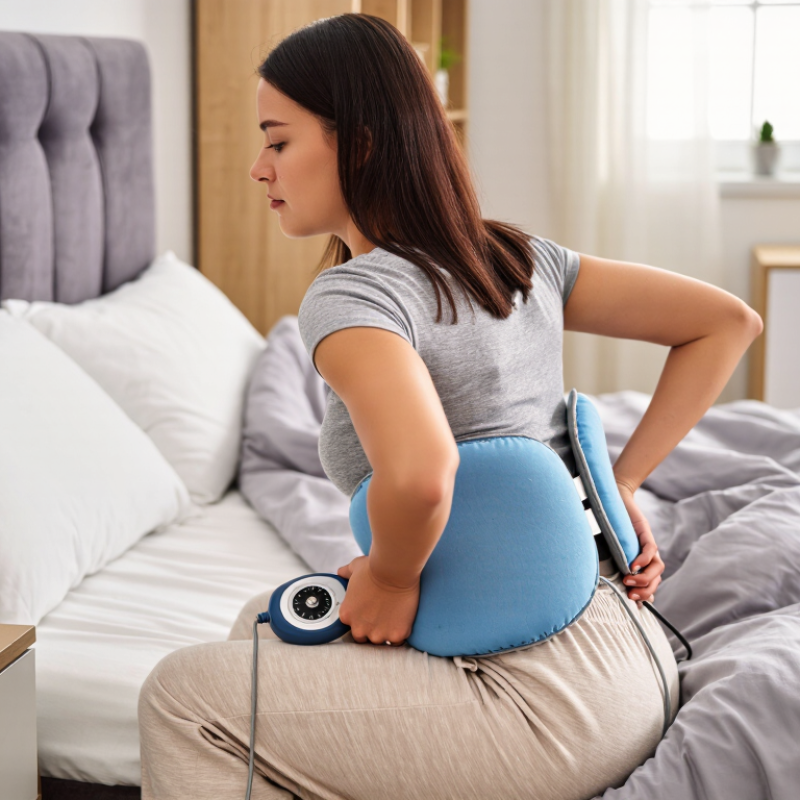
Classify Back Pain and Heat-Pad Suitability by Acute or Chronic Symptoms
How to Choose Heat Pads for Back Pain?
Back pain needs classification before choosing a heat pad.
Acute pain usually lasts less than four weeks, while chronic pain continues beyond twelve weeks. For acute or subacute low-back pain, a low-temperature pad may ease muscle tightness and improve movement. The American College of Physicians recommends superficial heat as a non-drug option, although it rates the supporting evidence as low quality. This distinction matters. It is useful, but not perfect.
Chronic pain may respond better to scheduled, gentle heat than intense heating. Choose a pad with adjustable temperature, automatic shutoff, and a washable cover. Place it over clothing or a thin towel for 15–20 minutes. Short sessions work. Avoid sleeping on it. Check the skin afterward, especially if diabetes or reduced sensation is present. Heat may reduce discomfort, but it does not correct nerve compression, spinal disease, or poor movement habits.
The scale of this problem is substantial. The World Health Organization estimated that 619 million people experienced low-back pain in 2020, with cases projected to reach 843 million by 2050. These figures support careful self-care, not casual treatment. Stop using heat if swelling, worsening pain, blistering, or numbness appears. Recent trauma, fever, unexplained weight loss, leg weakness, or bladder changes require medical assessment. I would not treat every painful back as muscular. That assumption is easy, and sometimes wrong.
(Sources: WHO Low Back Pain Fact Sheet, 2023; American College of Physicians Clinical Practice Guideline, 2017)
Compare Heat-Pad Technologies, Materials, and IEC 60335-2-17 Safety
Choosing a heat pad for back pain requires more than comparing warmth and softness. Resistive-wire pads usually provide stable, even heating. Carbon-fiber designs may feel more flexible, but their performance depends on construction and control quality. Materials also matter. Cotton feels breathable, while polyester often dries faster and resists wear. A removable, washable cover is useful, especially after repeated use.
IEC 60335-2-17 is an important safety reference for household electric blankets, pads, and similar flexible heating appliances. Check whether the product documentation identifies this standard or applicable national adoption. Look for temperature regulation, overheat protection, secure wiring, strain relief, and clear washing instructions. The pad should remain flat during use. Do not fold it tightly. Do not use it when damp. A safety label alone is not proof of reliable testing; supplier test reports and traceable instructions are stronger evidence. It is easy to trust a soft cover too quickly.
Tips: Choose several heat levels and an automatic timer. Test the lowest setting first. Keep the pad over clothing, not directly on damaged or numb skin. People with reduced heat sensitivity should ask a healthcare professional before use. I would also inspect the cable after every season. Small cracks can be missed, and that is where careful judgment matters. A pad that heats unevenly, smells unusual, or shows damaged stitching should be removed from service.
Set Therapeutic Heat at 40–45°C for 15–20-Minute Sessions
How to Choose Heat Pads for Back Pain?
A suitable heat pad should deliver steady, adjustable warmth rather than extreme heat. Set therapeutic heat between 40 and 45°C for a 15–20-minute session. This range may relax tight muscles and improve local comfort. The American College of Physicians recommends superficial heat as a non-drug option for acute or subacute low back pain. However, temperature displays are not always perfectly calibrated.
The World Health Organization reported that low back pain affected about 619 million people worldwide in 2020. Its 2023 guideline supports non-surgical, non-drug care within a broader treatment plan. Heat can help, but it does not correct every cause of back pain. I would start near 40°C, place a thin fabric layer between the pad and skin, and check the skin after five minutes. Warm should feel soothing, not sharp or burning. Stop immediately if redness, numbness, dizziness, or worsening pain appears.
Do not sleep with the pad switched on. People with reduced sensation, diabetes-related nerve problems, poor circulation, or fragile skin should seek clinical advice first. The 15–20-minute limit is practical, yet not sacred for every person. A clinician may adjust it after assessing symptoms. More heat is not better. That assumption deserves reconsideration.
Match Pad Size, Flexibility, and Controls to Lumbar Coverage
How to Choose Heat Pads for Back Pain?
Match Pad Size, Flexibility, and Controls to Lumbar Coverage
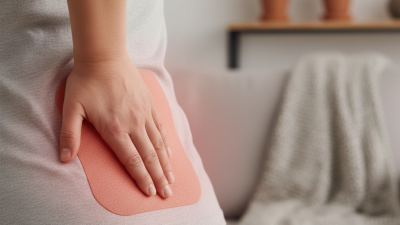
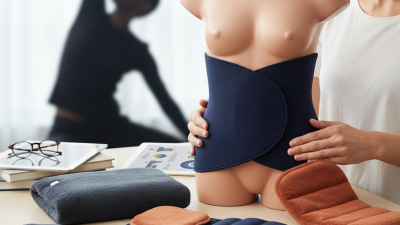
A heat pad should cover the sore lumbar area without folding sharply. Measure from your waistline to the top of your hips. A pad that is too small may leave painful gaps. One that is too large can feel heavy and uneven. Curved or flexible designs usually follow the lower back better, especially while sitting. Gentle contact matters.
My own poor choice was a narrow pad that warmed only the center of my back. It felt hot, but the surrounding muscles stayed tense. That experience changed how I judge coverage. Look for enough width to reach both sides of the spine, without placing pressure directly on the spinal bones. A soft, removable cover can also prevent irritating friction.
Controls deserve equal attention. Choose clear temperature settings, a timer, and automatic shutoff. Low or medium heat is often more comfortable for extended use. Avoid sleeping with a heating pad unless its instructions specifically permit it. Check your skin regularly, especially if you have reduced heat sensitivity, diabetes, or circulation problems. Stop using it if burning, numbness, or unusual redness appears. Ask a healthcare professional about persistent or worsening back pain. Convenient controls help, but I sometimes overvalue them; fit and safe heat are more important.
Check Clinical Evidence, Contraindications, and Automatic Shut-Off Features
Choosing a heat pad for back pain should begin with clinical evidence, not fabric, color, or advertised power. A Cochrane review of nine trials involving 1,117 participants found limited evidence for superficial heat, with short-term pain relief in some acute or subacute cases. The evidence quality was low. That matters. Heat may reduce muscle stiffness, but it does not diagnose a disc problem, fracture, infection, or nerve compression.
Check contraindications carefully. Avoid direct heat over numb skin, poor circulation, open wounds, active inflammation, or areas with reduced sensation. People with diabetes, vascular disease, or neurological conditions should ask a qualified clinician before use. Do not place a pad over topical pain creams unless medical instructions allow it. A warm pad can feel harmless while causing a burn. That is the uncomfortable part.
Automatic shut-off is an important safety feature, especially when fatigue makes sleep tempting. Choose a model with a clearly stated timer, stable temperature control, and instructions that prohibit overnight use. U.S. Consumer Product Safety Commission guidance identifies heating devices as potential burn and fire hazards, so inspect the cable, controller, and cover before every session. Keep the pad flat, never fold it tightly, and stop if the skin becomes red, painful, or unusually pale. I would still use a timer separately, because electronic features can fail. Evidence supports caution, not confidence.
How to Choose Heat Pads for Back Pain?
Clinical evidence is strongest for short-term comfort from superficial heat in acute low-back pain. Use extra caution when sensation, circulation, skin integrity, pregnancy, or overnight use is a concern.
The 1–5 values are a qualitative clinical-priority scale, not pooled treatment-effect sizes. Higher values indicate a stronger reason to prioritize that feature or precaution when selecting a heat pad.