Back pain is a common issue for many people. It can affect daily activities and reduce quality of life. For relief, many turn to heat pads. Heat pads for back pain provide soothing warmth and can help ease muscle tension.
Using heat pads back pain can improve blood circulation in the affected area. This can promote healing and relieve discomfort. While effective, they are not a cure-all. It's crucial to use them correctly to avoid burns or overheating.
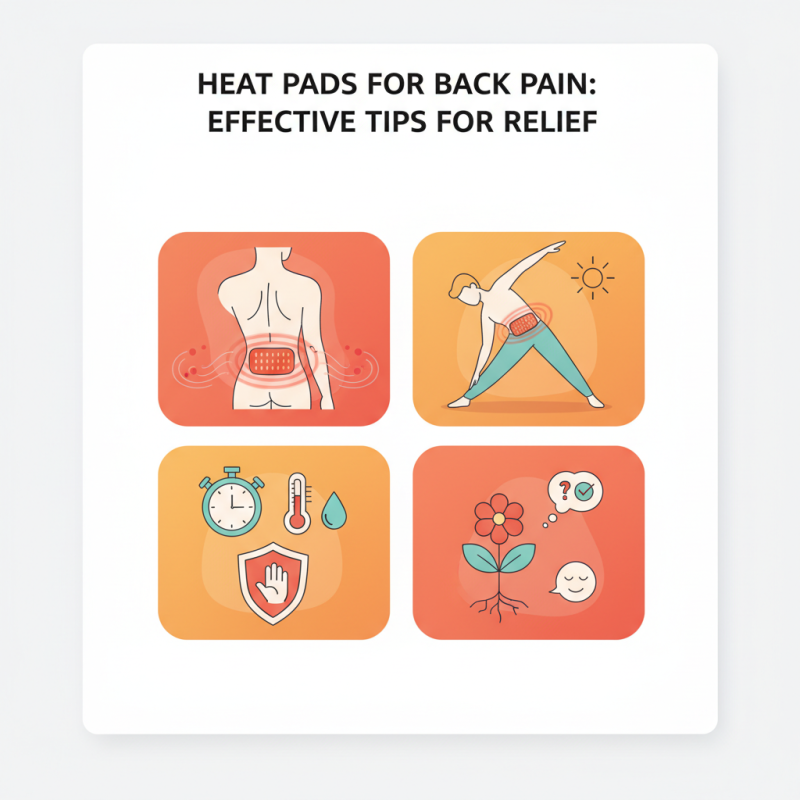
Heat pads should not be the only solution. Combining their use with stretches or gentle exercises can be beneficial. Always listen to your body and adjust accordingly. This thoughtful approach can lead to better management of back pain.
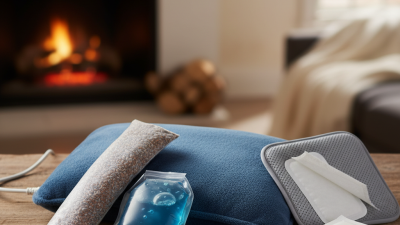
When dealing with back pain, understanding different heat pad options can be quite helpful. Heat pads come in various forms. Electric pads provide consistent warmth and can be adjusted easily. They are ideal for long usage. Microwaveable pads are convenient and portable, perfect for quick relief at any time.
Alternatively, there are gel packs. They can be heated in the microwave or cooled in the fridge. This dual functionality means they offer flexibility for treating various types of pain. Moreover, cloth-covered pads can enhance comfort during use. They can feel softer against the skin, promoting relaxation.
However, it is important to remember that not all heat pads will work for everyone. Some may find electric pads too hot, while others may prefer the simplicity of a gel pack. Experimenting with different types can help identify the best fit. Comfort is subjective, and individual experiences will vary. Consider taking breaks during heat application to avoid overheating the skin.

Heat pads are a popular choice for managing back pain. They offer soothing warmth that promotes blood circulation. According to the American Physical Therapy Association, applying heat to sore muscles can enhance flexibility and alleviate discomfort. The heat relaxes tight muscles, which helps in reducing pain.
Using heat pads can provide other benefits as well. Research published in the Journal of Pain Research indicates that heat therapy can improve sleep quality in individuals suffering from chronic back pain. This is important because disrupted sleep often exacerbates pain levels. Many users report feeling more relaxed after using heat pads, creating a sense of well-being that further aids recovery.
While heat pads are effective, they are not without their limitations. Some individuals may find that heat exacerbates inflammation, especially after recent injuries. It's essential to judge the body's response when using heat therapy. Listening to the body's cues is crucial in ensuring effective pain management.
When using heat pads for back pain relief, application is key. Begin by ensuring the skin is clean and free from lotions. This allows for better heat penetration. Reports show that moist heat can be more effective than dry heat, penetrating deeper into muscle tissue. Studies indicate that applying heat for 15 to 20 minutes can significantly ease discomfort.
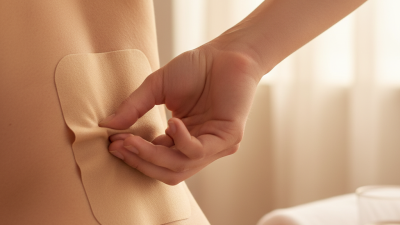
Position the heat pad where it feels most painful. Ensure it covers the entire area. Experimenting with different temperatures can help find what works best. Be cautious though; too much heat can lead to burns. A temperature of 104°F (40°C) is generally safe for most people.
Pay attention to your body's signals. If pain persists or worsens, it's time to reassess. Perhaps combining heat therapy with gentle stretches or proper ergonomic support can enhance results. Tracking your progress can provide insight into what strategies are most effective. After all, relief should not just be about heat application, but also understanding your body’s needs.
| Tip | Description | Duration | Frequency |
|---|---|---|---|
| Choose the Right Pad | Select a heat pad suitable for your specific back pain type, such as electric or microwavable. | 20-30 minutes | As needed |
| Temperature Control | Ensure the pad isn’t too hot to avoid burns; use a medium heat setting. | N/A | Daily |
| Use a Barrier | Place a towel between your skin and the heat pad to avoid direct contact. | N/A | Every use |
| Target Affected Area | Focus the heat pad on the specific area of pain for optimal relief. | 20-30 minutes | As needed |
| Rest After Application | Allow your back to rest and absorb the heat effects after use. | N/A | After each session |
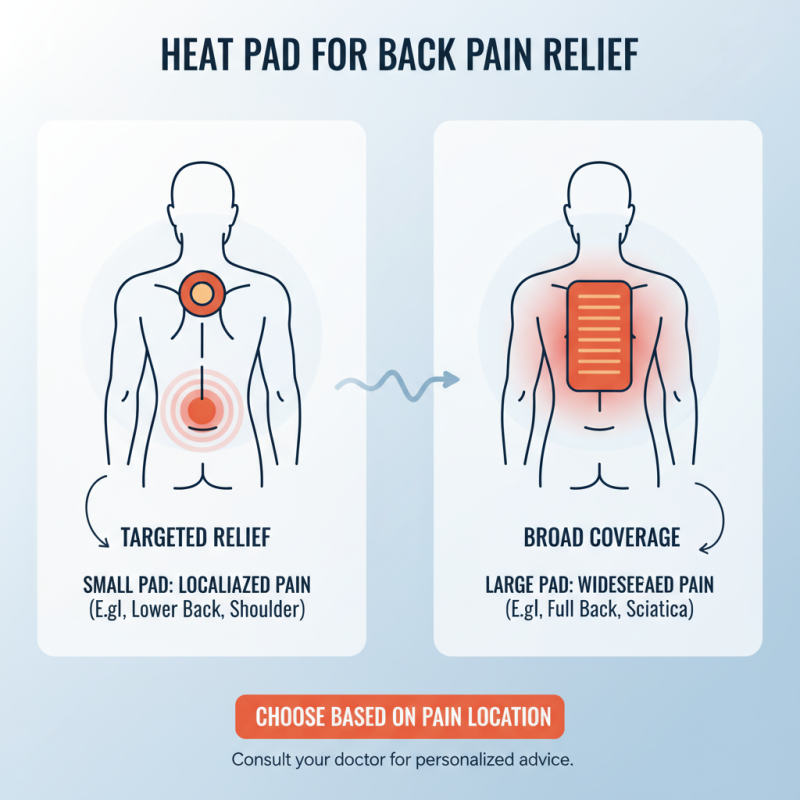
When choosing a heat pad for back pain relief, consider your specific needs. Some heat pads are designed for larger areas, while others target smaller spots. Think about where your pain is located. If your discomfort is localized, a smaller pad might be more effective. If you need to cover a larger area, opt for something bigger.
Another factor to contemplate is the heating method. Electric pads provide consistent heat, but they may have safety concerns. Microwaveable options offer convenience, but heat may not last long. Check the material, too. A soft, comfortable fabric enhances your experience and helps you relax during use. Don't forget about the intensity settings. Some pads come with multiple levels, allowing you to customize the warmth.
Consider portability as well. If you travel often, a lightweight, compact pad is ideal. However, it can be easy to overlook that portability might sacrifice some heating power. Lastly, think about your skin sensitivity. Some materials may irritate sensitive skin. Choosing the right heat pad may be a balancing act between comfort and relief. Reflect on what matters most to you.
When using heat pads for back pain relief, safety precautions are crucial. According to the American Academy of Family Physicians, improper use can cause burns or exacerbate existing issues. Always test the temperature before use. A safe range is between 98°F and 113°F. Going beyond this can harm your skin.
Limit application time to 20 minutes. Extended exposure increases the risk of overheating. It's wise to take breaks between sessions to avoid skin irritation. For those with chronic pain or certain medical conditions, consulting a healthcare provider is essential. The Mayo Clinic suggests that individuals with diabetes or skin sensitivities should exercise extra caution.
Positioning also matters. Ensure the heat pad does not sit directly on an open wound or inflamed skin. Monitor the area during use. If you feel increased pain or any discomfort, discontinue use immediately. While heat therapy can provide relief, being aware of these safety measures is vital.