What are the Benefits of Heat Pads for Back Pain Relief?
Back pain is an issue that affects millions of people worldwide. Many seek effective and convenient solutions for relief. One popular method is using heat pads. Heat pads back pain may provide warmth and comfort, encouraging relaxation in strained muscles.
Research shows that applying heat can increase blood flow to the area. This enhanced circulation promotes healing and reduces stiffness. Additionally, heat pads can alleviate pain by calming nerve endings. Many individuals find that heat therapy offers immediate relief and can be easily integrated into daily life.
However, it's crucial to use heat pads correctly. Overuse can lead to burns or increased discomfort. Finding the right duration and temperature is essential for effective treatment. Individuals must also consider their unique pain patterns. Overall, heat pads represent a straightforward, accessible option for back pain management, but they do require mindfulness in their use.
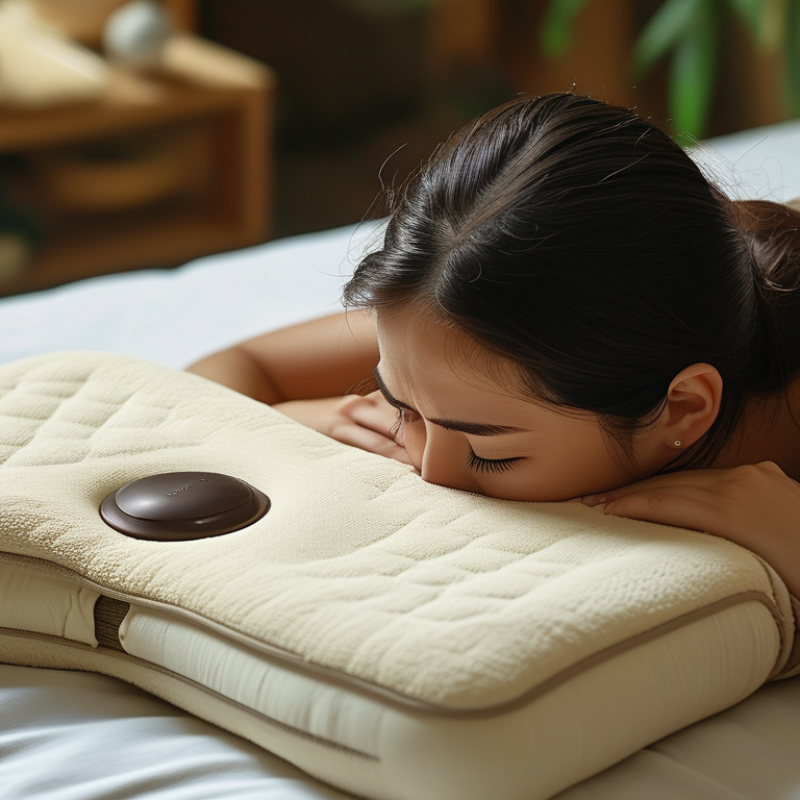
Overview of Heat Pads and Their Functionality for Pain Relief
Heat pads offer a practical solution for back pain relief. They provide consistent warmth, which helps relax tense muscles and improve blood circulation. According to the American Physical Therapy Association, heat therapy is a common recommendation for treating musculoskeletal pain, including back discomfort. When the body feels warmth, it triggers a natural response that promotes healing.
A study published in the Journal of Back and Musculoskeletal Rehabilitation found that over 70% of participants reported pain reduction after using heat pads regularly. The gentle heat helps reduce stiffness and improves range of motion. It can be particularly useful for individuals suffering from chronic pain or recovering from muscle injuries. However, it’s essential to monitor usage and avoid excessive heat to prevent burns.
Heat pads are versatile, available for both localized pain and broader applications. They can be used at home, in the office, or while traveling. Despite their benefits, users should pay attention to how their body reacts. Some may find that heat exacerbates their discomfort, so adjusting usage is important. Understanding individual responses to heat therapy can enhance its overall effectiveness.
Different Types of Heat Pads Suitable for Back Pain Management
Heat pads are an effective tool for managing back pain. They work by increasing blood flow and relaxing muscles, which can alleviate discomfort. Different types of heat pads are available, each offering unique benefits for back pain relief.
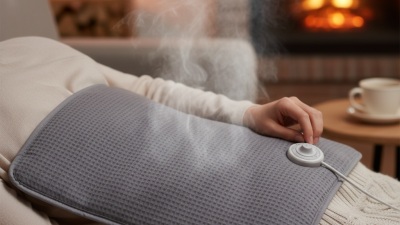
Electric heat pads provide constant warmth and are easy to use. Many models come with adjustable temperature settings, allowing users to customize their experience. A study published in the Journal of Pain Research found that consistent heat application can reduce pain intensity by up to 50%. Microwaveable heat packs are another option. They offer convenience and can be used anywhere. These packs retain heat for longer and can be molded to the contours of the body.
When choosing a heat pad, consider thickness and flexibility. Thinner pads may feel less bulky but also provide less warmth. Larger pads can cover more surface area but might be less portable. It's essential to ensure that heat levels are comfortable to prevent burns.
Tips: Always test the heat level before applying. This helps to avoid skin irritation. Additionally, consider using heat therapy along with stretching. This can enhance muscle relaxation and improve overall mobility. Remember to take breaks from heat application to allow your skin to breathe.
Benefits of Heat Pads for Back Pain Relief
Mechanisms of Heat Therapy: How Heat Alleviates Back Pain
Heat therapy is a widely recognized method for alleviating back pain. When heat is applied to the skin, it boosts blood circulation. Increased blood flow delivers oxygen and nutrients to the affected area, which aids in healing. Warmth also relaxes tight muscles and soothes stiffness. This dual action provides a comforting relief that can improve mobility.
Using heat pads can be simple. Just place a heat pad on the lower back for 15 to 30 minutes. However, it’s crucial to monitor the heat level to prevent burns. A barrier, like a towel, can help minimize direct contact. If you feel too hot or uncomfortable, remove it immediately.
Some people find that moist heat, like a warm towel, can penetrate deeper than dry heat. Experiment with both to see which works better for your specific pain. Always stay mindful of your body’s response. Not everyone reacts the same way to heat therapy. If your pain persists or worsens, consider reaching out to a healthcare professional for advice.
Benefits of Using Heat Pads: Short-term vs Long-term Relief
Heat pads can provide significant relief for back pain, both in the short term and long term. In the short term, warmth from heat pads helps to relax muscles and increase blood circulation. This can ease the tension that often causes discomfort. Applying a heat pad for just 15 to 30 minutes can offer immediate relief. It’s a simple and effective way to manage pain during a busy day.
Long-term benefits of using heat pads can be impressive. Regular use may help to improve flexibility and reduce overall pain levels. Heat therapy can complement other treatments, such as physical therapy or exercise. Different people might have varying experiences with heat pads. Some find that their pain decreases significantly over time, while others might not notice much change. It’s vital to listen to your body. Experimenting with heat can teach you what works best for your back pain. Using heat therapy should be part of a broader pain management strategy.
Safety Considerations and Best Practices for Heat Pad Use
When using heat pads for back pain relief, safety is paramount.
Always check the pad for any damage before use. A damaged pad can lead to burns or electrical hazards. Never use a heat pad while sleeping, as it increases the risk of injury. Avoid applying heat directly to the skin; instead, use a cloth barrier. This simple step can prevent burns and promote safer use.
Monitoring the temperature is also crucial. Start with a low setting and gradually increase it. Listen to your body. If you feel discomfort, reduce the intensity. Limit sessions to 15-20 minutes to prevent overheating. If the pain persists, consult a healthcare professional. Moreover, consider your skin sensitivity and any existing health conditions. A healthcare provider can offer tailored advice.
Heat pads can be effective for relieving tension and improving circulation, but they are not a cure-all. Some users may find them uncomfortable or insufficient for severe pain. Be aware of your own body’s responses, and reflect on your experiences to inform future use. Adjusting your technique might improve your overall results. Remember to balance heat therapy with other forms of treatment for best results.